Announcement
2028 Solar Eclipse - Australia
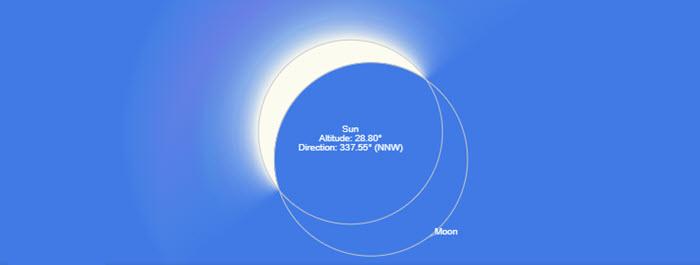
On Saturday, 22 July 2028, a major total solar eclipse will sweep across Australia from the Kimberley region in Western Australia through the Northern Territory, southwest Queensland, and rural New South Wales, ending directly over the entire Sydney metropolitan area for about 3 minutes and 45 seconds of totality.
On Saturday, 22 July 2028, a major total solar eclipse will sweep across Australia from the Kimberley region in Western Australia, through the Northern Territory, South Australia, southwest Queensland and New South Wales before passing directly over Sydney.
The path of totality will cross some of Australia's most remote regions as well as towns and cities including Kununurra, Tennant Creek, Bourke, Dubbo and Sydney. Outside the path of totality, the rest of Australia will experience a partial solar eclipse.
The eclipse first reaches Australia through the Kimberley, where locations within the path will experience several minutes of totality.
Partial eclipse begins: 9:27 am AWST
Maximum eclipse: 11:01 am AWST
Totality: approximately 2 minutes 54 seconds
Partial eclipse ends: 12:33 pm AWST
Partial eclipse begins: 9:28 am AWST
Maximum eclipse: 11:01 am AWST
Totality: approximately 4 minutes 19 seconds
Partial eclipse ends: 12:33 pm AWST
Perth is outside the path of totality but will experience a substantial partial solar eclipse.
Partial eclipse begins: 9:30 am AWST
Maximum eclipse: 10:47 am AWST
Maximum coverage: 59%
Partial eclipse ends: 12:08 pm AWST
The path of totality continues southeast across the Northern Territory and through the Barkly region.
Partial eclipse begins: 11:16 am ACST
Maximum eclipse: 12:49 pm ACST
Totality: approximately 3 minutes 25 seconds
Partial eclipse ends: 2:17 pm ACST
Darwin is outside the path of totality and will experience a partial solar eclipse.
Partial eclipse begins: 10:59 am ACST
Maximum eclipse: 12:32 pm ACST
Maximum coverage: 90%
Partial eclipse ends: 2:03 pm ACST
The path of totality clips a remote section of South Australia before continuing towards Queensland and New South Wales. Adelaide is outside the path and will experience a partial eclipse.
Partial eclipse begins: 11:48 am ACST
Maximum eclipse: 1:11 pm ACST
Maximum coverage: 80%
Partial eclipse ends: 2:29 pm ACST
The path of totality crosses remote southwest Queensland. Brisbane and the major population centres of southeast Queensland remain outside the path.
Partial eclipse begins: 12:41 pm AEST
Maximum eclipse: 2:02 pm AEST
Maximum coverage: 84%
Partial eclipse ends: 3:14 pm AEST
New South Wales will provide some of Australia's most accessible locations for experiencing the total eclipse. The path travels across the state from the northwest through inland NSW, the Blue Mountains and Sydney before heading out over the Pacific Ocean.
Partial eclipse begins: 12:27 pm AEST
Maximum eclipse: 1:52 pm AEST
Totality: approximately 4 minutes 5 seconds
Partial eclipse ends: 3:09 pm AEST
Partial eclipse begins: 12:34 pm AEST
Maximum eclipse: 1:57 pm AEST
Totality: approximately 3 minutes 51 seconds
Partial eclipse ends: 3:12 pm AEST
Partial eclipse begins: 12:36 pm AEST
Maximum eclipse: 1:58 pm AEST
Totality: approximately 2 minutes 14 seconds
Partial eclipse ends: 3:12 pm AEST
Sydney sits directly within the path of totality and will be one of the world's largest cities from which the total solar eclipse can be seen.
Partial eclipse begins: 12:40 pm AEST
Maximum eclipse: approximately 2:01 pm AEST
Totality: approximately 3 minutes 49 seconds
Partial eclipse ends: 3:14 pm AEST
This will be Sydney's first total solar eclipse since 1857.
Prime viewing locations are expected to include open areas around Sydney Harbour, providing the prospect of seeing the eclipse above landmarks including the Sydney Harbour Bridge and Sydney Opera House.
Partial eclipse begins: around 12:40 pm AEST
Maximum eclipse: around 2:01 pm AEST
Totality: approximately 2 minutes 53 seconds
Partial eclipse ends: around 3:14 pm AEST
Canberra sits tantalisingly close to the path of totality but remains outside it. The eclipse will therefore remain partial throughout the ACT.
Partial eclipse begins: 12:38 pm AEST
Maximum eclipse: 1:59 pm AEST
Maximum coverage: 96%
Partial eclipse ends: 3:13 pm AEST
Victoria lies outside the path of totality but will experience a substantial partial solar eclipse.
Partial eclipse begins: 12:32 pm AEST
Maximum eclipse: 1:53 pm AEST
Maximum coverage: 84%
Partial eclipse ends: 3:07 pm AEST
Tasmania will experience a partial solar eclipse, with more than three-quarters of the Sun covered from Hobart at maximum.
Partial eclipse begins: 12:40 pm AEST
Maximum eclipse: 1:56 pm AEST
Maximum coverage: 78%
Partial eclipse ends: 3:07 pm AEST
Do not look directly at the Sun without protection.
Use certified solar viewing glasses during the partial phases of the eclipse.
Regular sunglasses do not block enough light and can damage your eyes.
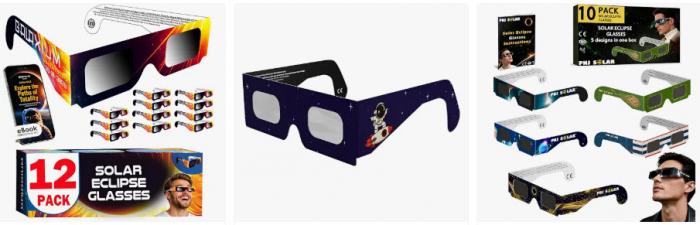
Amazon: solar viewing glasses
amazon.com.au
* Regular sunglasses do not block enough light and can damage your eyes.
Path and Key Timings
On Saturday, 22 July 2028, a major total solar eclipse will sweep across Australia from the Kimberley region in Western Australia, through the Northern Territory, South Australia, southwest Queensland and New South Wales before passing directly over Sydney.
The path of totality will cross some of Australia's most remote regions as well as towns and cities including Kununurra, Tennant Creek, Bourke, Dubbo and Sydney. Outside the path of totality, the rest of Australia will experience a partial solar eclipse.
Western Australia
The eclipse first reaches Australia through the Kimberley, where locations within the path will experience several minutes of totality.
Kununurra, Western Australia
Partial eclipse begins: 9:27 am AWST
Maximum eclipse: 11:01 am AWST
Totality: approximately 2 minutes 54 seconds
Partial eclipse ends: 12:33 pm AWST
Lake Argyle, Western Australia
Partial eclipse begins: 9:28 am AWST
Maximum eclipse: 11:01 am AWST
Totality: approximately 4 minutes 19 seconds
Partial eclipse ends: 12:33 pm AWST
Perth, Western Australia
Perth is outside the path of totality but will experience a substantial partial solar eclipse.
Partial eclipse begins: 9:30 am AWST
Maximum eclipse: 10:47 am AWST
Maximum coverage: 59%
Partial eclipse ends: 12:08 pm AWST
Northern Territory
The path of totality continues southeast across the Northern Territory and through the Barkly region.
Tennant Creek, Northern Territory
Partial eclipse begins: 11:16 am ACST
Maximum eclipse: 12:49 pm ACST
Totality: approximately 3 minutes 25 seconds
Partial eclipse ends: 2:17 pm ACST
Darwin, Northern Territory
Darwin is outside the path of totality and will experience a partial solar eclipse.
Partial eclipse begins: 10:59 am ACST
Maximum eclipse: 12:32 pm ACST
Maximum coverage: 90%
Partial eclipse ends: 2:03 pm ACST
South Australia
The path of totality clips a remote section of South Australia before continuing towards Queensland and New South Wales. Adelaide is outside the path and will experience a partial eclipse.
Adelaide, South Australia
Partial eclipse begins: 11:48 am ACST
Maximum eclipse: 1:11 pm ACST
Maximum coverage: 80%
Partial eclipse ends: 2:29 pm ACST
Queensland
The path of totality crosses remote southwest Queensland. Brisbane and the major population centres of southeast Queensland remain outside the path.
Brisbane, Queensland
Partial eclipse begins: 12:41 pm AEST
Maximum eclipse: 2:02 pm AEST
Maximum coverage: 84%
Partial eclipse ends: 3:14 pm AEST
New South Wales
New South Wales will provide some of Australia's most accessible locations for experiencing the total eclipse. The path travels across the state from the northwest through inland NSW, the Blue Mountains and Sydney before heading out over the Pacific Ocean.
Bourke, New South Wales
Partial eclipse begins: 12:27 pm AEST
Maximum eclipse: 1:52 pm AEST
Totality: approximately 4 minutes 5 seconds
Partial eclipse ends: 3:09 pm AEST
Dubbo, New South Wales
Partial eclipse begins: 12:34 pm AEST
Maximum eclipse: 1:57 pm AEST
Totality: approximately 3 minutes 51 seconds
Partial eclipse ends: 3:12 pm AEST
Orange, New South Wales
Partial eclipse begins: 12:36 pm AEST
Maximum eclipse: 1:58 pm AEST
Totality: approximately 2 minutes 14 seconds
Partial eclipse ends: 3:12 pm AEST
Sydney, New South Wales
Sydney sits directly within the path of totality and will be one of the world's largest cities from which the total solar eclipse can be seen.
Partial eclipse begins: 12:40 pm AEST
Maximum eclipse: approximately 2:01 pm AEST
Totality: approximately 3 minutes 49 seconds
Partial eclipse ends: 3:14 pm AEST
This will be Sydney's first total solar eclipse since 1857.
Prime viewing locations are expected to include open areas around Sydney Harbour, providing the prospect of seeing the eclipse above landmarks including the Sydney Harbour Bridge and Sydney Opera House.
Wollongong, New South Wales
Partial eclipse begins: around 12:40 pm AEST
Maximum eclipse: around 2:01 pm AEST
Totality: approximately 2 minutes 53 seconds
Partial eclipse ends: around 3:14 pm AEST
Australian Capital Territory
Canberra sits tantalisingly close to the path of totality but remains outside it. The eclipse will therefore remain partial throughout the ACT.
Canberra, Australian Capital Territory
Partial eclipse begins: 12:38 pm AEST
Maximum eclipse: 1:59 pm AEST
Maximum coverage: 96%
Partial eclipse ends: 3:13 pm AEST
Victoria
Victoria lies outside the path of totality but will experience a substantial partial solar eclipse.
Melbourne, Victoria
Partial eclipse begins: 12:32 pm AEST
Maximum eclipse: 1:53 pm AEST
Maximum coverage: 84%
Partial eclipse ends: 3:07 pm AEST
Tasmania
Tasmania will experience a partial solar eclipse, with more than three-quarters of the Sun covered from Hobart at maximum.
Hobart, Tasmania
Partial eclipse begins: 12:40 pm AEST
Maximum eclipse: 1:56 pm AEST
Maximum coverage: 78%
Partial eclipse ends: 3:07 pm AEST
Safe Viewing Tips
Do not look directly at the Sun without protection.
Use certified solar viewing glasses during the partial phases of the eclipse.
Regular sunglasses do not block enough light and can damage your eyes.
Solar Viewing Glasses
Amazon: solar viewing glasses
amazon.com.au
* Regular sunglasses do not block enough light and can damage your eyes.
❊ Key Information ❊
When
Saturday 22 July 2028
Time: 12:32 pm
Time: 12:32 pm
Official Links
Update Page Upgrade Advertising


