Devonport Showgrounds |
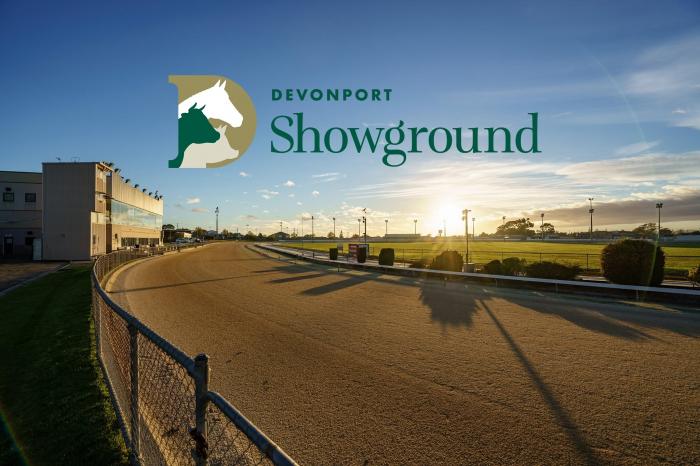
Devonport Showground is a landmark site close to the heart of Devonport, Tasmania, with more than a century of community history. Once associated with agricultural shows, racing, markets and public events, the former showground is now undergoing a major transformation into a mixed-use neighbourhood incorporating housing, community facilities and public open space.
Devonport Showground occupies approximately 9.6 hectares at 86A Gunn Street, immediately north of Devonport's central business district and less than 400 metres from the Mersey River. Its central position has made the site an unusually prominent piece of land within the city rather than a showground on the urban fringe.
For generations, the showground was closely associated with the Devonport Agricultural & Pastoral Society Inc, commonly known as DAPS. The society used the property for agricultural shows and other community activities, while the grounds accommodated a variety of uses over their long history.
The existing site has included a central oval, racing track and numerous buildings connected with its former roles. Council planning documents record uses including agricultural shows, farmers markets, functions, a restaurant and events.
The Devonport Agricultural & Pastoral Society remains an active incorporated entity and registered charity.
From agricultural shows to racing
Although agricultural and community activities are central to the show's heritage, the grounds also became an important racing venue.
The first greyhound meeting at Devonport Showground was held in April 1952. The track remained part of Tasmania's greyhound racing network for decades before closing in 2022, adding another substantial chapter to the property's sporting history.
This mixture of agricultural, sporting and community uses helps explain why redevelopment of the land has involved more than simply replacing obsolete buildings. The site carries memories associated with generations of exhibitors, competitors, spectators, market visitors and community organisations.
Sale of the Devonport Showground
While older information describes Devonport Showground as owned and operated by the Devonport Agricultural & Pastoral Society, that description no longer reflects the property's current status.
DAPS entered into an agreement to sell the showground to developer Simon Want, with the sale subsequently allowing the society to move away from ownership of a site regarded as no longer fit for its purposes. The developer's account of the transaction says the sale gave DAPS resources to redefine its activities and continue its broader charter.
By 2024, planning material described the property as having transferred from the society to the developer, with redevelopment progressing through the planning process.
The change represents one of the most significant transitions in the site's history. Land once devoted primarily to shows, racing and events is being repositioned as a permanent inner-city neighbourhood.
Devonport Showground redevelopment
Plans for the former showground envisage a mixed-use precinct containing more than 200 homes as well as community facilities and public spaces.
Devonport City Council describes the project as the largest infill development in Tasmania's history, with more than $75 million in direct economic investment proposed. The housing is intended to include different dwelling types and adaptable homes available for purchase or rental, alongside hospitality and childcare facilities.
The 2021 master plan set out a broader ambition for a walkable, community-focused neighbourhood. It envisaged a range of dwelling sizes and types together with substantial community open space, while making use of the site's proximity to central Devonport, shops and the coast.
Plans have also contemplated independent and supported living, specialist housing, social housing, health facilities and community and arts uses. The intention is therefore considerably broader than a conventional residential subdivision.
Preserving links with the old showground
Heritage and community connections have formed part of planning for the property's next phase.
Rather than treating the site as an entirely blank development parcel, the master-planning process has considered ways of retaining reminders of its former life. Council planning documents prepared for the redevelopment note, for example, that the existing schoolhouse was intended to be relocated and repurposed rather than demolished.
The master plan similarly places community facilities and open space at the centre of the proposed precinct and envisages new uses for existing buildings. Its stated approach is to integrate the development with surrounding Devonport while acknowledging the history and heritage of the showground.
That connection matters because the grounds were never merely a collection of buildings and a large oval. Their significance developed through repeated community use over more than 100 years.
Farmers market brings people back to the grounds
One of the notable interim uses of the property has been the Devonport Farmers Market.
Planning documents lodged in 2024 said the grounds were being regularly used for the market while the site's long-term redevelopment continued to take shape.
The redevelopment's own published media archive reported that the revived market was attracting as many as 1,800 people on market days in early 2024. In this respect, the market has maintained an agricultural and community connection at a property historically associated with bringing regional producers and Devonport residents together.
A strategic inner-city site
The scale of the redevelopment is partly a consequence of the showground's location.
The land sits less than 200 metres north of the central business district, with residential areas adjoining it and a mixture of commercial, community, recreation and other urban uses within walking distance. Private access has historically been available from Gunn Street, Parker Street, Montague Street, Lower Madden Street and Nicholls Street.
That geography distinguishes the former showground from many large redevelopment sites. It is an established piece of central Devonport surrounded by an existing street network and urban services rather than undeveloped land on the city's outskirts.
The master plan consequently emphasises walking, connections with surrounding neighbourhoods and access to central Devonport. Its redevelopment has the potential to change not only the grounds themselves but also the relationship between nearby residential areas and the city centre.
Devonport Showground today
Devonport Showground is now best understood as a historic community site in transition.
Its agricultural-show era established its place in Devonport's social history, while racing, events and markets broadened the range of people who used the grounds. The sale by the Devonport Agricultural & Pastoral Society marked the end of the traditional ownership arrangement and opened the way for a substantially different future.
Current redevelopment plans envisage the former showground becoming a residential and community precinct with more than 200 homes, public spaces and supporting facilities. Devonport City Council continues to identify the project as a $75 million development.
For visitors researching the traditional Devonport Showgrounds, it is therefore important to distinguish historical information from the site's present status. Older listings describing the grounds simply as a DAPS-owned and operated venue pre-date the sale and redevelopment process.
Suggested Title
Devonport Showground: History and Redevelopment of a Devonport Landmark
Suggested Keywords
Devonport Showground, Devonport Showgrounds, Devonport Tasmania, Devonport Agricultural and Pastoral Society, Devonport Show, Devonport Showground redevelopment, Devonport Farmers Market, Gunn Street Devonport, Devonport history
❊ Key Venue Information ❊
Address
❊ More Information ❊
→
www.devonportshowground.com.au
Update Page